Asphalt Calculator
Asphalt Calculator
Use the asphalt calculator to estimate the amount of material required for a paving project.
People used this calculator
Your current platform: —
Global counter (server-side), protected against spam.
Asphalt Calculator: How Much Do You Really Need?
Start Your Project with Accurate Numbers
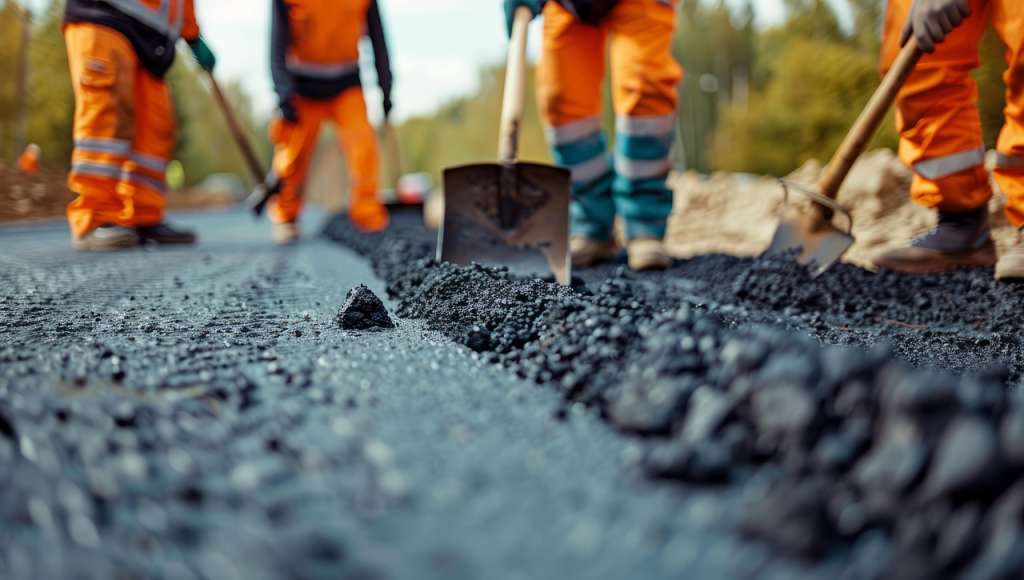
If you’re paving a driveway, road, or parking lot, the last thing you want to do is guess how much asphalt you need. Order too little, and the job stops short. Order too much, and you waste money on material you can’t return.
A simple asphalt calculator solves that. It uses your project dimensions to estimate:
- How much asphalt you need (in tons or cubic yards)
- How thick your asphalt layer should be
- The cost, based on your local price per ton
How to Determine Your Asphalt Requirement
Before using an asphalt calculator, make sure you gather these values:
1. Total Square Footage
Multiply the length and width of your area. For example:Length (50 ft) × Width (12 ft) = 600 sq ft
2. Desired Asphalt Thickness
Most residential driveways use 2″ to 3″ compacted asphalt.
Use 0.25 feet for 3 inches (3 ÷ 12 = 0.25 ft)
3. Asphalt Density
Standard density for hot mix asphalt = 145 lbs per cubic foot
4. Calculation Formula
Volume = Length × Width × Thickness
Weight = Volume × Density
Tons = Total Weight ÷ 2,000
This gives you an accurate starting point. Most calculators automate this, but knowing the logic helps if you’re checking results manually or across different tools.
What Does an Asphalt Calculator Do?
An asphalt calculator helps you measure volume, weight, and cost based on the size of your paving area.
You’ll enter:
- Length (in feet or meters)
- Width
- Depth of the asphalt layer (usually in inches)
Then, it will:
- Convert your dimensions into cubic feet
- Multiply by asphalt’s average density (~145 lbs per cubic foot)
- Give you the weight in tons
- Estimate the total cost (if you add a price per ton)
Some calculators also add a buffer for compaction and material loss.
How Much Does an Asphalt Driveway Cost?
Asphalt driveway prices vary depending on your region, labor rates, and materials—but here’s a general breakdown for 2025:
| Driveway Size | Depth | Approx. Tons | Cost per Ton | Total Cost (Est.) |
|---|---|---|---|---|
| 600 sq ft | 3″ | ~8.1 tons | $110 | $891 – $1,050 |
| 1,000 sq ft | 3″ | ~13.5 tons | $110 | $1,485 – $1,650 |
| 2-car wide | 4″ | ~18.6 tons | $110 | $2,000+ |
💡 Pro Tip: Always add 10% buffer for compaction and delivery loss. Also factor in:
- Labor ($2–$6 per sq ft)
- Base layer materials
- Equipment rentals or contractor overhead
Use an asphalt driveway cost calculator to generate estimates with price per ton + total area.
Notes to Consider When Applying Asphalt
Here are important notes most DIYers and some contractors overlook:
- Surface Preparation Is Critical
Remove soft soil, weeds, and moisture-prone layers before laying the base. - Install a Proper Base Layer
Use crushed gravel (4–8 inches). Compact it thoroughly. - Choose the Right Asphalt Type
Hot mix is the most durable. Cold mix is for patches. Porous is for drainage. - Allow for Weather Windows
Avoid asphalt application during rain or freezing temps. Ideal temp is above 50°F. - Plan for Drainage
Driveways should slope slightly (1–2%) to avoid pooling. - Sealcoat After 6–12 Months
Sealing too early can trap moisture. Let asphalt cure before applying sealant.
These application tips can directly affect how long your driveway lasts—and how often it needs repairs.
What Does an Asphalt Calculator Do?
An asphalt calculator helps you measure volume, weight, and cost based on the size of your paving area.
You’ll enter:
- Length (in feet or meters)
- Width
- Depth of the asphalt layer (usually in inches)
Then, it will:
- Convert your dimensions into cubic feet
- Multiply by asphalt’s average density (~145 lbs per cubic foot)
- Give you the weight in tons
- Estimate the total cost (if you add a price per ton)
Some calculators also add a buffer for compaction and material loss.
Why You Should Always Use One
Ordering asphalt by guesswork is risky. A calculator gives you:
- Better cost control
- More accurate ordering
- Less waste on-site
- A faster quote turnaround if you’re a contractor
Whether you’re a homeowner or a project manager, this one step can help you avoid expensive mistakes.
Quick Example: Estimating a Driveway
Project:
- Size: 50 ft × 12 ft
- Depth: 3 inches
- Price per ton: $110
Steps:
- 3 inches = 0.25 feet
- Volume = 50 × 12 × 0.25 = 150 cubic feet
- Weight = 150 × 145 = 21,750 lbs
- Tons = 21,750 ÷ 2,000 = 10.87 tons
- Add a 10% buffer = ~12 tons total
- Cost = 12 × $110 = $1,320
This is the kind of simple math an asphalt calculator does in seconds.
Top Free Asphalt Calculators
| Tool | Why It’s Useful | Best For |
|---|---|---|
| CalculatorGeek | Fast, no ads, adjusts for compaction | Homeowners & small jobs |
| GigaCalculator | Very quick and simple | Fast estimates |
| OmniCalculator | Works with multiple units | Engineers & global users |
| Procore | Part of full project software | Commercial construction |
| InchCalculator | Includes base & gravel tools | Mixed-material jobs |
How to Use CalculatorGeek’s Asphalt Calculator
Step-by-Step:
- Enter your length and width
- Add asphalt depth (in inches)
- Input your local asphalt cost (optional)
- Click “Calculate”
- View your results:
- Volume (in cubic feet)
- Tons of asphalt required
- Estimated cost
- Add 5–10% extra for compaction and delivery loss
It’s one of the cleanest calculators available—and doesn’t overwhelm you with settings or ads.
How Thickness Affects Your Estimate
Asphalt thickness affects how much material you need.
| Depth | Tons per 1,000 sq ft |
|---|---|
| 2″ | 9.3 tons |
| 3″ | 14 tons |
| 4″ | 18.6 tons |
Use the compacted thickness, not the poured height.
Why You Must Account for Compaction
Once asphalt is rolled, it compresses. If you don’t account for this, your project could run short.
- Average loss = 5–10%
- Always round your final tonnage up
- Use calculators that include this automatically
Different Asphalt Types to Consider
| Asphalt Type | Best For | Notes |
|---|---|---|
| Hot Mix | Driveways & roads | Most durable, installed hot |
| Cold Mix | Patches & small repairs | Not suitable for large areas |
| Porous | Drainage areas | Allows water to flow through; eco-friendly |
Other Costs Calculators Don’t Include
Your calculator only estimates asphalt, not full project expenses. Remember to include:
- Gravel or stone base layer
- Labor and crew time
- Equipment rentals
- Edge supports or curbs
- Waste or weather delays
Common Mistakes to Avoid
- Forgetting compaction buffer
- Mixing units (feet + inches)
- Underestimating area size
- Ignoring base preparation
- Guessing instead of measuring
Frequently Asked Questions
Q: How much asphalt do I need for 1,000 sq ft at 3″ deep?
A: Around 14 tons, including a 10% buffer.
Q: Is asphalt cheaper than concrete?
A: Yes, but it requires more maintenance over time.
Q: Do calculators include labor costs?
A: No. They only show material quantity and price.
Q: Can I use CalculatorGeek for commercial projects?
A: Yes, but always cross-check large estimates.
Q: What’s the minimum thickness for a driveway?
A: At least 2 inches compacted. Most go with 3 inches.
Author: Jake Paul
Jake Paul is a certified construction estimator with over 12 years of field experience in asphalt paving and infrastructure projects. He specializes in cost estimation, volume takeoffs, and helping contractors and property owners use digital tools to plan more accurately. Jake is passionate about making project planning easier for both pros and DIYers.